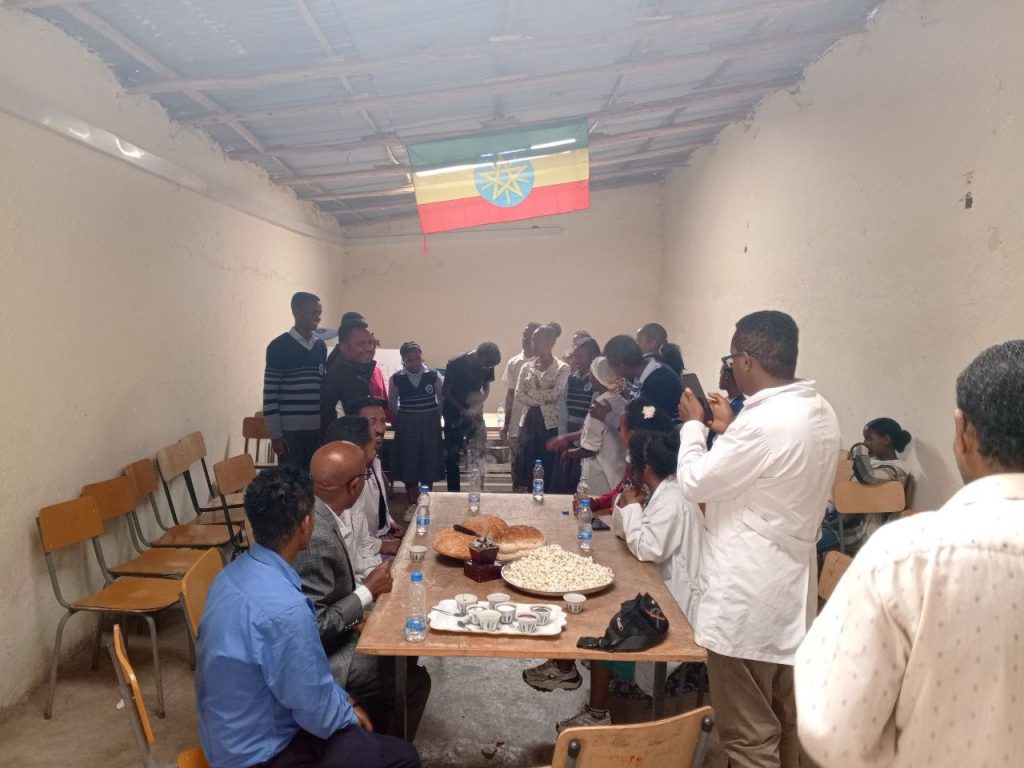
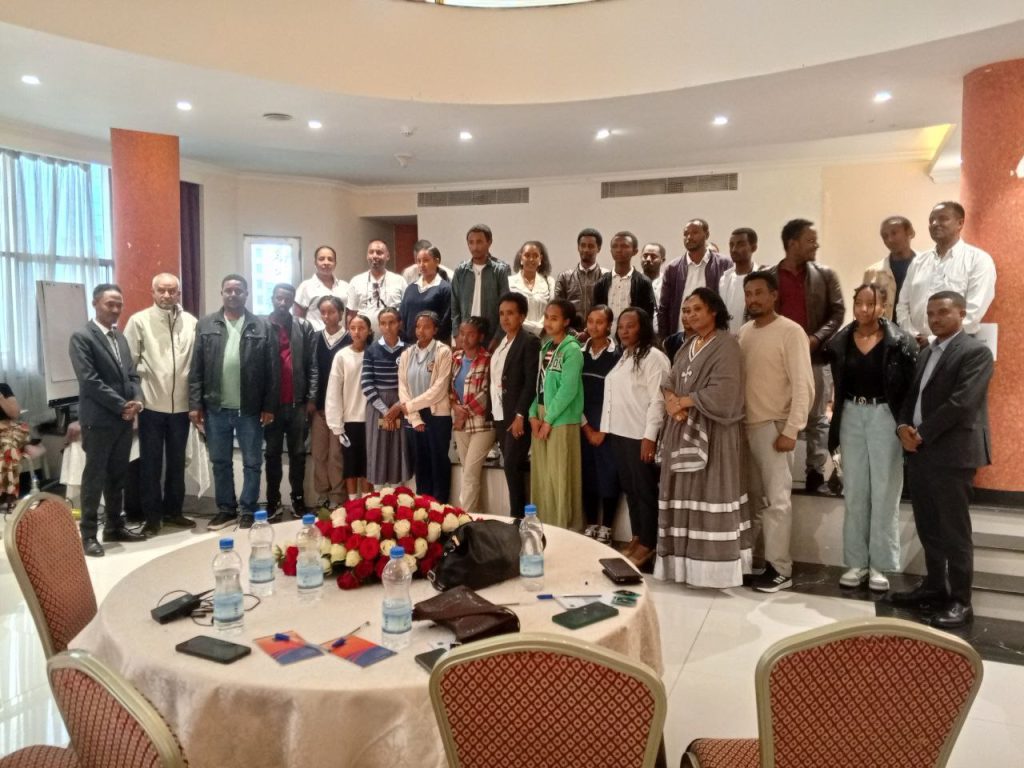
FGHWHS offers a vibrant co-curricular program that complements classroom learning, builds leadership, and connects students with their community. Our clubs foster teamwork, creativity, critical thinking, and civic responsibility — giving students hands-on experience that strengthens university applications and life skills.
Why join a club?
Develop leadership, communication, and project-management skills.
Apply classroom knowledge in real-world projects.
Build a portfolio of achievements for university applications.
Serve the local community through service and fundraising initiatives.
The Guassa Tech Club
engages students in technology-driven conservation research focused on Ethiopia’s endemic wildlife. Members use digital tools, data collection, and analytical methods to study and monitor local species. The club fosters scientific inquiry, environmental stewardship, and practical tech skills through hands-on projects and fieldwork.
Featured Clubs & Activities
Fitawrari Literary Society (FLS)
Reading groups, debates, essay workshops, and public speaking events that deepen critical reading and writing skills.
Science & Research Club
Independent research projects, science fairs, and mentorship with teachers to prepare students for university research work.
Model United Nations / Debate Club
Policy simulations, debate training, and participation in regional MUN and debate tournaments to sharpen diplomacy and argumentation.
Community Service & Outreach (Mehal Meda Youth Association partnership)
Organized volunteer campaigns, local fundraising, and civic initiatives — students lead projects that create measurable community impact.
Entrepreneurship & Economics Club
Business plan workshops, market simulations, and mini-incubation projects that teach financial literacy and entrepreneurial thinking.
Arts & Culture Society
Drama, visual arts, and music events that celebrate creativity and cultural heritage through performances and exhibitions.
Sports & Wellness Program
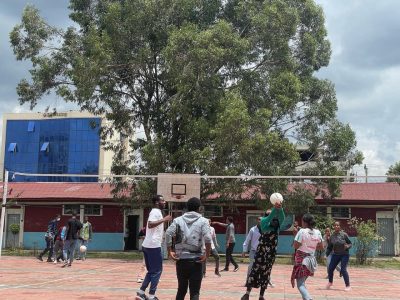
Inter-school competitions, team sports, and wellness activities promoting fitness, teamwork, and healthy lifestyles.
ICT & Digital Media Club
Web development, digital storytelling, and media production projects that prepare students for tech-oriented studies and careers.
Student Leadership & Start-a-Club
Students are encouraged to start new clubs based on interests. Club leaders receive teacher mentorship, a small project budget, and support to run events and competitions.
How to Get Involved
Review the clubs calendar on the Student Life page.
Attend the Clubs Fair at the start of each term.
Speak with the Student Activities Coordinator or your homeroom teacher to join or propose a new club.
Impact & Achievements
FGHWHS students regularly lead successful fundraising drives, win awards in science and debate, and represent the school in regional competitions — demonstrating the real benefits of active co-curricular participation.